

Introduction
Architects play a vital role in designing the spaces where people live, work, and connect. More than just professionals who create blueprints, they are visionaries who combine artistry with technical knowledge to deliver environments that are safe, sustainable, and aesthetically appealing. From designing iconic landmarks to shaping everyday homes, the work of architects influences culture, lifestyle, and even the economy. The term architects is often associated with grand structures, but their work extends to every aspect of the built environment.
Understanding the Profession of Architecture
Architecture is both a science and an art. It requires technical skills in engineering and construction, combined with creativity and imagination. Architects oversee the entire process of turning ideas into physical spaces, ensuring that the structure is functional, durable, and suited to human needs. They work closely with clients, contractors, and regulatory bodies to balance design aspirations with budgets and legal requirements.
The Core Responsibilities of Architects
Architects carry out responsibilities that go beyond drafting plans. Their role can be divided into several key areas:
-
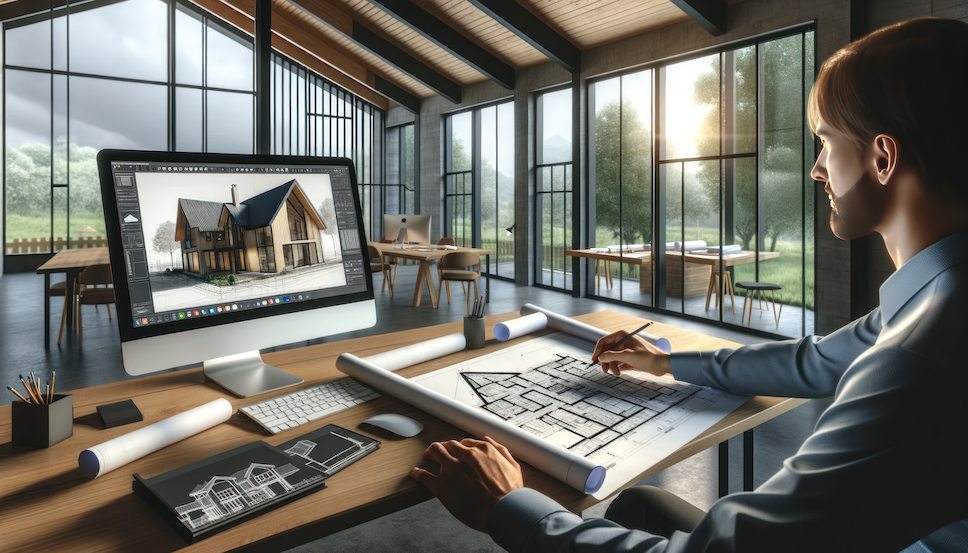
Conceptual Design: Turning a client’s vision into initial sketches and 3D models.
-
Technical Drawings: Producing detailed plans that builders use to construct the project.
-
Project Management: Coordinating with contractors, engineers, and suppliers.
-
Compliance and Safety: Ensuring that designs meet safety codes and planning regulations.
-
Sustainability: Designing buildings that minimise environmental impact.
Every stage of the process requires a blend of problem-solving skills and innovation.
Educational Pathway and Training
Becoming an architect requires years of study and practical training. In the UK, the journey typically includes:
-
A degree in architecture (Part 1).
-
A minimum of one year of professional experience.
-
A master’s degree or equivalent qualification (Part 2).
-
Further practical experience, usually two years.
-
Completion of Part 3 examinations to qualify as a registered architect.
This pathway ensures that architects possess both academic knowledge and real-world expertise before being licensed.
The Impact of Architects on Communities
The influence of architects goes far beyond buildings. They shape the character of communities and create spaces that foster social interaction. For example, the design of public squares, libraries, and schools can encourage inclusion, creativity, and community pride. Well-planned housing developments contribute to healthier lifestyles by incorporating green spaces, walking paths, and accessibility features.
Specialisations within Architecture
Architecture is a diverse field, and professionals often specialise in certain sectors:
Residential Architecture
Focused on designing homes, apartments, and housing developments that balance comfort, practicality, and style.
Commercial Architecture
Centred on offices, retail spaces, and industrial buildings, with attention to efficiency, branding, and client needs.
Landscape Architecture
Dedicated to designing outdoor spaces such as parks, gardens, and recreational facilities that enhance natural environments.
Interior Architecture
Concentrates on designing interiors that optimise space, light, and comfort while reflecting the intended atmosphere.
Sustainable Architecture
Emphasises eco-friendly design by using renewable materials, energy-efficient systems, and innovative technologies to reduce environmental impact.
The Relationship Between Architects and Technology
Technology has transformed the way architects work. Traditional hand-drawn sketches are now often replaced or complemented by advanced software:
-
Building Information Modelling (BIM): Provides detailed 3D models that integrate structural, mechanical, and environmental data.
-
Virtual Reality (VR): Allows clients to experience a building design before construction begins.
-
Parametric Design Tools: Enable complex and innovative designs that would be difficult to achieve manually.
This integration of technology enhances efficiency, accuracy, and creativity.
Challenges Faced by Architects
Despite the prestige of the profession, architects encounter several challenges:
-
Balancing Creativity and Budget: Clients often expect unique designs within financial limits.
-
Navigating Regulations: Each project must adhere to planning permissions, safety codes, and accessibility laws.
-
Adapting to Climate Change: The growing demand for sustainable solutions requires constant innovation.
-
Meeting Deadlines: Coordinating multiple stakeholders can make time management challenging.
These obstacles highlight the need for resilience and adaptability in the profession.
The Role of Architects in Sustainability
Sustainability is no longer optional in modern architecture. Architects play a central role in designing environmentally responsible spaces. This includes:
-
Using energy-efficient materials.
-
Incorporating renewable energy sources such as solar panels.
-
Designing for natural ventilation and daylight.
-
Creating flexible spaces that can adapt to future needs.
By adopting these strategies, architects contribute to reducing the carbon footprint of buildings and promoting long-term environmental health.
Architecture and Cultural Identity
Architecture reflects cultural values and traditions. Historical buildings reveal the artistry of past generations, while modern designs express innovation and progress. Architects often aim to blend cultural heritage with contemporary needs, ensuring that new developments complement existing environments while meeting current demands.
Future of the Architectural Profession
The future of architecture is being shaped by new challenges and opportunities. Growing urban populations, climate change, and advances in technology will redefine the role of architects. Key trends include:
-
Smart Cities: Integrating digital technologies to improve efficiency and quality of life.
-
Modular Construction: Using prefabricated elements for faster, more affordable building.
-
Green Architecture: Expanding eco-friendly design as a mainstream standard.
-
Adaptive Reuse: Transforming old buildings into new spaces rather than demolishing them.
Architects of the future will need to be innovators, environmental stewards, and cultural custodians.
Frequently Asked Questions
What skills are essential for a successful architect?
Strong design skills, creativity, problem-solving ability, technical knowledge, and communication are all vital. An architect must also be adaptable to evolving trends and technologies.
How do architects contribute to sustainable living?
Architects promote sustainable living by designing energy-efficient buildings, using eco-friendly materials, and ensuring spaces integrate well with the natural environment.
Can architects work internationally?
Yes, many architects practise globally, but they must adapt to local regulations, cultural contexts, and environmental conditions.
How long does it take to become an architect in the UK?
It usually takes a minimum of seven years, combining university education, practical experience, and professional examinations.
What role do architects play in public projects?
They design public spaces such as schools, hospitals, and transport hubs that prioritise accessibility, safety, and community benefit.
Are architects only involved in the design phase?
No, architects often oversee projects from initial concept to final construction, ensuring the outcome aligns with both the design vision and practical requirements.