
Understanding the Concept of Interiors
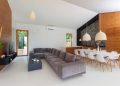
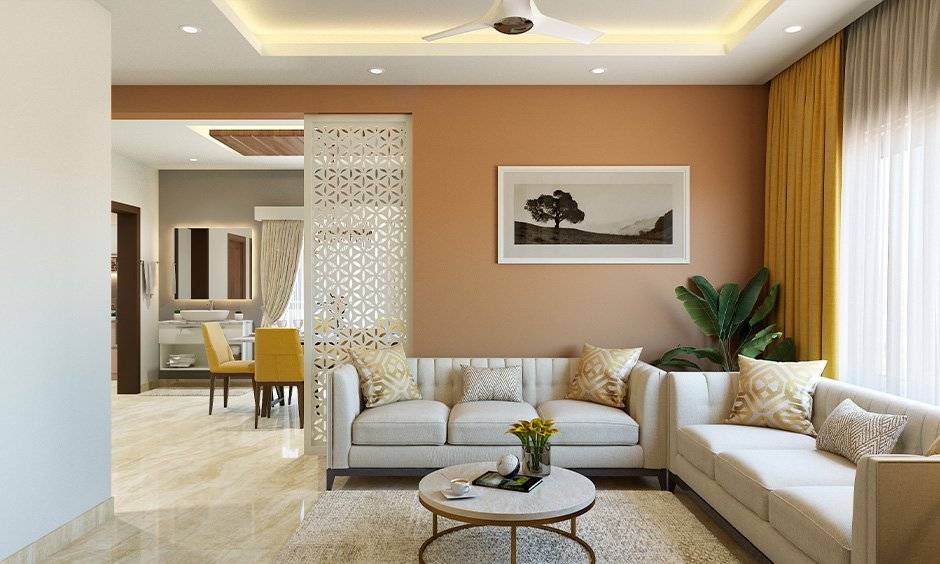
Interiors are more than just the inside of a building; they represent the harmony between design, functionality, and human emotion. A well-designed interior shapes how people live, work, and interact with their surroundings. Whether it is a cosy home, a productive office, or a luxurious hotel lobby, the power of interiors lies in their ability to influence mood and behaviour.
Modern interiors embrace a balance between aesthetics and practicality. They take into account architectural structure, lighting, furniture, materials, and personal style to create a cohesive environment. When approached thoughtfully, interiors can turn even the simplest space into a meaningful expression of lifestyle.
The Key Elements of Interior Design
A successful interior relies on several fundamental elements. Each plays a unique role but must work together to achieve harmony.
Space
Every design begins with space. It involves both the physical dimensions of a room and how those dimensions are used. Space can be positive (filled with furniture and objects) or negative (empty areas that give breathing room). Designers must strike a balance between the two.
Line
Lines create flow and guide the eye. Vertical lines, such as tall windows, evoke strength and stability. Horizontal lines, like long shelves, suggest calmness. Dynamic lines from stairs or angled walls add energy and movement.
Light
Lighting is the soul of interiors. Natural light enhances openness and well-being, while artificial lighting provides focus and atmosphere. A layered lighting scheme, including ambient, task, and accent lighting, ensures versatility and mood control.
Colour
Colour defines personality. Soft neutrals provide calmness, bold hues inspire creativity, and warm shades create intimacy. The psychology of colour makes it a powerful tool in shaping how a room feels.
Texture and Pattern
Texture adds depth by engaging the sense of touch, while patterns provide visual interest. Combining smooth and rough finishes, or simple and complex patterns, keeps interiors engaging without being overwhelming.
Form
Form relates to the shape of objects, from furniture to decorative elements. Curved forms soften a space, while sharp angular shapes bring modern precision.
Styles in Interior Design
Interiors come in countless styles, each reflecting cultural influences and personal preferences.
-
Modern: Clean lines, open layouts, and minimal ornamentation.
-
Traditional: Classic elegance, rich textures, and ornate details.
-
Scandinavian: Light tones, functional simplicity, and natural materials.
-
Industrial: Exposed brick, steel beams, and raw finishes.
-
Bohemian: Eclectic combinations of colour, art, and personal collections.
-
Contemporary: Evolving with current trends while emphasising balance and comfort.
Choosing a style depends on lifestyle, architectural features, and desired atmosphere.
The Role of Interiors in Daily Life
Interiors are not only about aesthetics but also about well-being. A thoughtfully designed space can:
-
Boost productivity in workplaces.
-
Encourage relaxation in homes.
-
Influence consumer behaviour in retail.
-
Create memorable experiences in hospitality.
From ergonomic furniture to calming colour palettes, interiors shape daily habits and quality of life.
Functional Interiors: Balancing Beauty with Purpose
Functionality is central to interiors. A beautiful room that does not serve its purpose fails in design. Interior planning involves analysing the needs of the occupants and arranging elements to support those needs. For example:
-
Kitchens must provide efficient layouts for cooking.
-
Living rooms should support social gatherings and comfort.
-
Bedrooms require privacy, calmness, and restfulness.
-
Offices benefit from ergonomic furniture and collaborative layouts.
Every choice, from flooring materials to storage solutions, should enhance usability.
Sustainable Approaches to Interiors
With increasing awareness of environmental impact, sustainability has become a core principle in interior design. Sustainable interiors focus on:
-
Using eco-friendly materials such as bamboo, reclaimed wood, or recycled metal.
-
Incorporating energy-efficient lighting and appliances.
-
Choosing natural fabrics for upholstery and curtains.
-
Designing spaces that maximise natural ventilation and daylight.
This approach benefits both the environment and the well-being of those who live within these interiors.
Technology and Smart Interiors
The digital age has transformed interiors into smart, responsive spaces. Technology is seamlessly integrated into design through:
-
Smart lighting systems that adjust to natural rhythms.
-
Climate control that adapts to individual preferences.
-
Voice-controlled devices for entertainment and security.
-
Automated blinds and curtains for convenience.
These innovations enhance comfort while maintaining stylish interiors.
Cultural Influence on Interiors
Culture significantly influences interior aesthetics. In the UK, interiors often balance heritage with modern comfort, combining Victorian detailing with contemporary furnishings. Globally, Japanese interiors emphasise minimalism, Mediterranean homes celebrate natural light, and Middle Eastern interiors showcase intricate patterns. Understanding cultural context adds richness and authenticity to design.
The Future of Interiors
The future of interiors lies in adaptability and personalisation. With changing lifestyles, flexible spaces that serve multiple purposes are becoming essential. Modular furniture, multi-use rooms, and biophilic design (integration of natural elements) are shaping tomorrow’s interiors.
Trends also point towards wellness-driven design, where interiors actively support physical and mental health. From air-purifying plants to circadian lighting, future interiors will be deeply connected to human well-being.
FAQs about Interiors
What is the most important factor in designing interiors?
The balance between aesthetics and functionality is the most important factor. A space should be visually appealing while meeting the practical needs of its users.
How can interiors affect mood and productivity?
Colours, lighting, and layout directly influence mood and behaviour. For instance, bright natural light boosts energy, while clutter-free environments enhance focus and calmness.
What is the difference between modern and contemporary interiors?
Modern interiors refer to a design movement from the early to mid-20th century, featuring clean lines and minimalism. Contemporary interiors reflect current trends and evolve with time.
Are sustainable interiors more expensive?
Not necessarily. While some eco-friendly products may cost more initially, they often reduce energy bills and maintenance costs in the long run, making them cost-effective.
How do I make small interiors look larger?
Using light colours, mirrors, multi-functional furniture, and vertical storage solutions can create the illusion of more space in compact interiors.
What role does furniture play in interiors?
Furniture defines how space is used. It supports comfort, function, and style, making it a central component of any interior design plan.